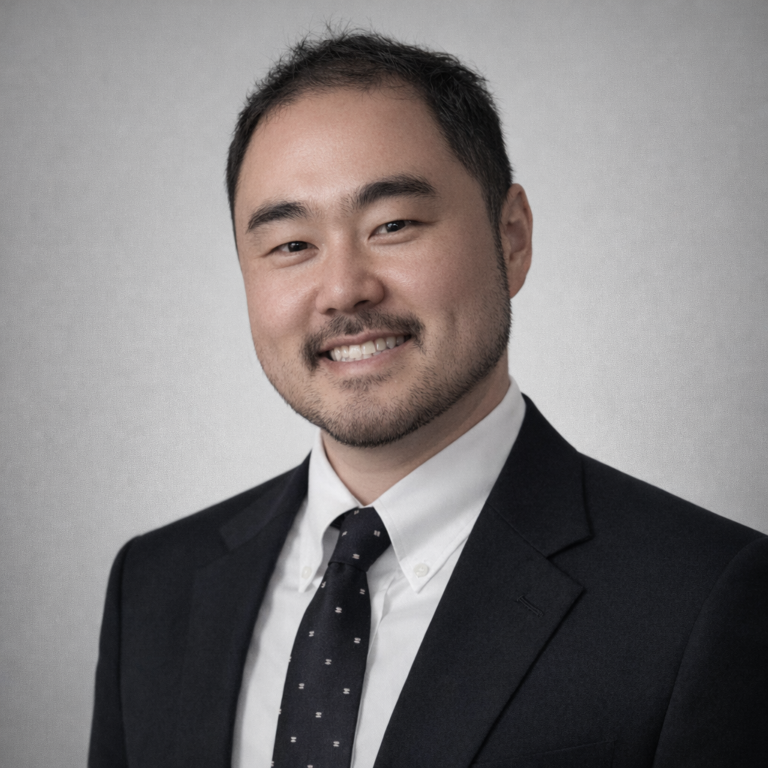
Teaching and Learning
Welcome to my teaching portfolio. This is where I gather the teaching and learning projects I care most about, the ones that try to push at the edges of what education can be. I think of teaching as a form of research, and of my classroom as a kind of studio or laboratory: a place for experiments that don’t always work but always teach me and the students something. What ties these projects together is a transdisciplinary sensibility, a commitment to equity, and a conviction that learning experiences can be at once rigorous, imaginative, and genuinely open.
Much of my work begins with a reframing that knowledge, language, and the digital (including AI) are not just tools but materials, things we can shape, stretch, break, and remake. Treating them this way changes what becomes possible. A prompt becomes something to sculpt; a dataset becomes a texture, and stories, and a story (and the process of writing) becomes an instrument for thinking. When students start to see these as materials in their hands rather than systems acting on them, their relationship to knowledge shifts, orienting them towards becoming knowledge makers.
Current Initiatives
My teaching connects transdisciplinary research to a wide range of knowledge domains. These are the main projects I’m running now or have recently wrapped up.
- Research-through-design, using prototyping and creative arts to speculate, provoke and critique. Recent projects include Plant humanities, AI and cultural texts; Hong Kong Future project (with Arup); Generative AI Hackathon for Social Good
- Community partnerships rooted in participatory action research, local engagement, and social impact, where the milieu of learning moves out of the classroom and into the places where questions actually live.
- Research fellowship and leadership programmes, including the Laidlaw Scholars Leadership and Research Programme, where I facilitate the leadership modules and the Oxford Character Programme to develop future leaders.
I also actively create platforms for student-led initiatives that fund and support students in driving their own learning, as well as professional workshops and seminars for teachers focused on expanding their repertoires of practice and cultivating teachers capacities as meta-creators of learning experiences.
If any of them spark ideas for collaboration, I’d love to hear from you.
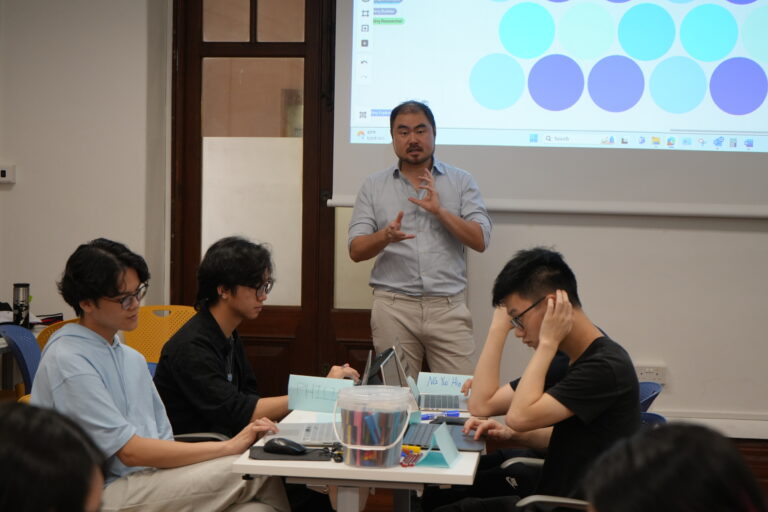
Teaching the "Critical Zones, Water, and Hong Kong", an Undergraduate Summer Research Fellowship (June 2024).
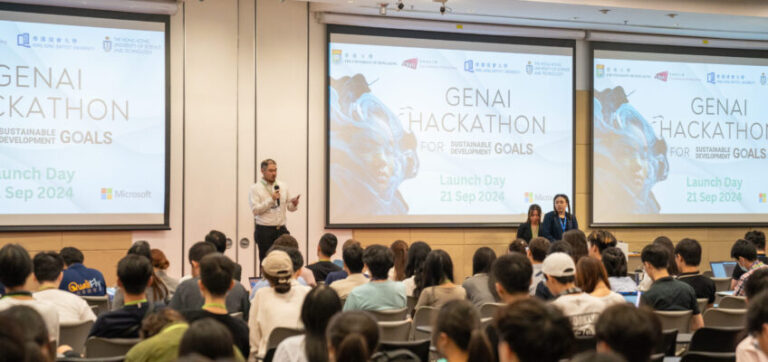
Opening of the 2nd Inter-University Generative AI Hackathon for the Sustainable Development Goals (Sep 2024).
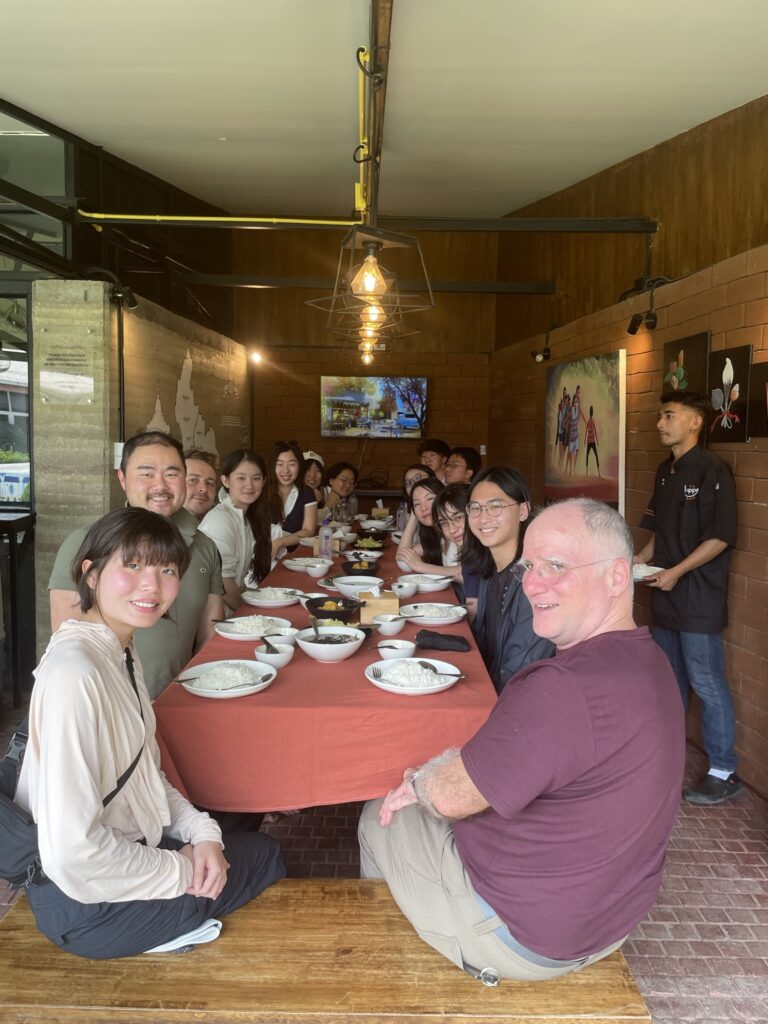
Myanmar research study trip to Mae Sot, Thailand (March 2023).
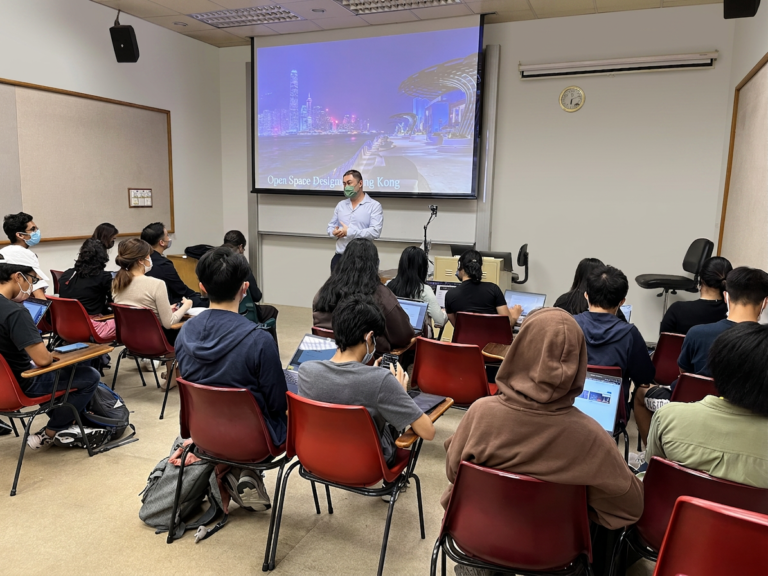
Launching the "Open Spaces Design Hong Kong" research project with Arup (Oct 2022)
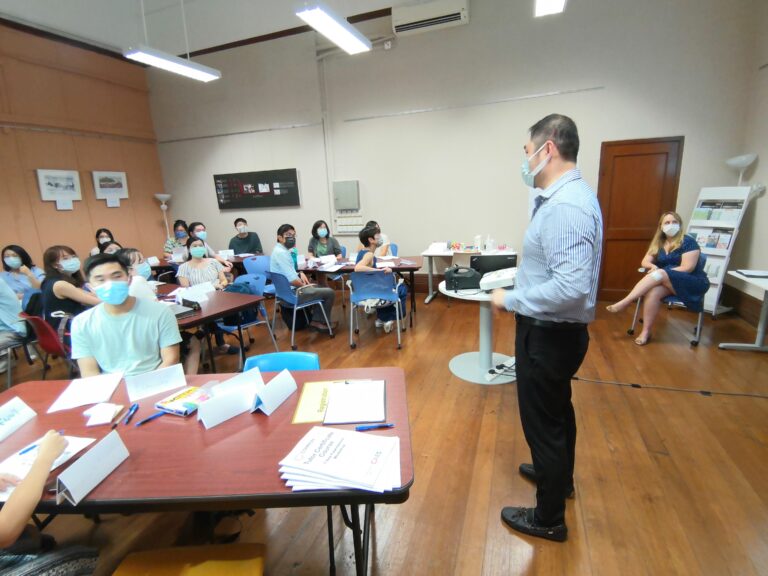
Teaching the inaugural tutors' workshop at the University of Hong Kong (Aug 2021).
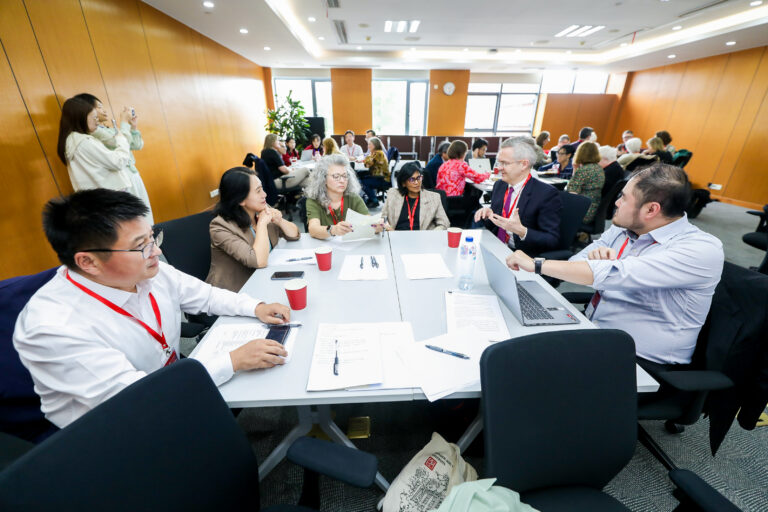
At the U21 Global Innovation and Senior Leaders meeting in Shanghai (Oct 2024).
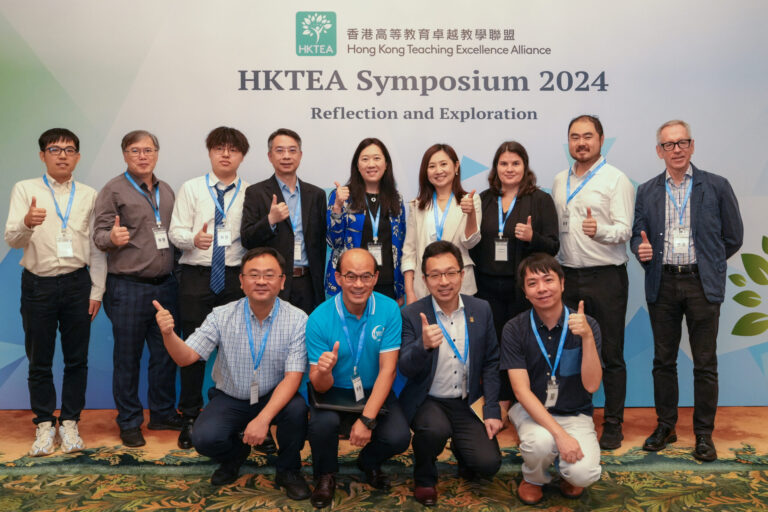
HKU ambassadors of the Hong Kong Teaching Excellence Alliance (June 2024).
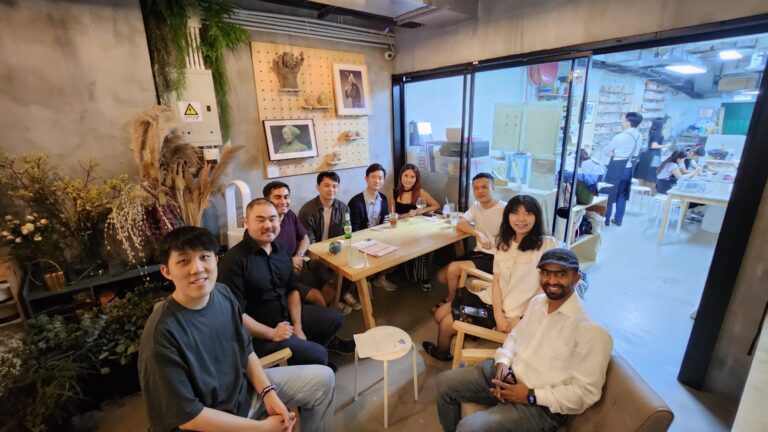
Social gathering of Common Core tutors (June 2023).
Teaching Philosophy
Each project and initiative rests on a foundation shaped by a transdisciplinary perspective. My work draws on the principles of the ecological university (Barnett, 2018) and an ethical commitment to the intellectual emancipation of students (Rancière, 1991), the idea that learners are already capable and that my task is to trust and provoke their will (strength-based framing) rather than through a deficit-framing. This emancipatory commitment is also a commitment to equity around the capacities I hope to cultivate (to experiment, make, imagine otherwise) are unevenly distributed. I therefore treat the design of learning as a question of ethics as much as of pedagogy, asking whose knowledge counts, whose futures are imagined, and who is invited to shape them.
At its core, my approach is about continually creating opportunities for students to connect knowledge across different contexts. I lean heavily on the creative arts, play-based learning, making and prototyping, speculative design, and storytelling as serious ways of knowing and sensemaking. These pedagogies build the confidence to question the boundaries of what one knows and to act thoughtfully when situations are complex or contested. My role is to create spaces that are inclusive and safe enough for risk: milieus where students can experiment, encounter difficulty, make mistakes, and remain meaningfully engaged with complex or contested ideas.
I place particular weight on making as a mode of thinking. When students build, prototype, or model an idea, the world pushes back I take this resistance seriously as a pedagogical resource that converts abstract understanding into something testable and that lets students stay with the discomfort. This is also why I am increasingly drawn to futures. Futures work asks students to take responsibility for the worlds that might yet be and as recipients of futures worth working toward. Critically, it also asks whose futures tend to be treated as inevitable and whose are foreclosed, especially techno-deterministic narratives that present particular futures, including AI-saturated ones, as settled. In this sense, making and futures are two halves of one disposition: one grounds imagination in the resistance of the real, the other refuses to let the real foreclose what is possible.
I’m also drawn to Vygotsky’s (1987) concept of obuchenie and to the idea that teaching, learning and inquiry form one continuous process. While I would not want to romanticise the Humboldtian university, I am interested in how that older aspiration might be reimagined ecologically, democratically, and transdisciplinarily for contemporary higher education, in ways that resist rather than reproduce the inequalities of the neoliberal university.
Over the years I’ve designed and led many professional development programmes introducing new approaches to pedagogy, educational technology, and curriculum design. Increasingly I’ve come to see teacher development itself as a creative and improvisational practice, learning to design unique experiences rather than deliver standardised ones, to move fluently across different spaces and milieus, and to model the self-regulated, emancipated learning we hope to cultivate in students. The teacher’s role is steadily transforming, from instructor to facilitator, curator, and meta-creator of learning. I’m still figuring out what that means. That, in a way, is the point.
Selected Teaching Projects




Press Publications
Hong Kong’s Collaborative Artificial Intelligence Revolution in Higher Education: A Model for Global Innovation. The Chronicle of Higher Education. 20 Nov 2024.
A.I.威脅文字工作者生計? (A.I.: Threatening the livelihood of writers?) 香港商報 Hong Kong Commercial Daily. 10 Nov 2023
Serious Gaming. HKU Bulletin, May 2023, Vol 24 No. 2. p 28 – 29.
New Perspectives, Engaging with the World. The University of Hong Kong Annual Report 2022. p 25
Mundane Moments Matter. Griffith Institute for Educational Research – Insights. 10 June 2022.
The Common Core Turns 10! HKU Bulletin, May 2022, Vol 23 No. 2. p 36 – 37.
Light up the way home. FIRST: Foresight Innovation Research Sharing Training (Arup). 2022 Issue 11. p 46 – 47.
Cross-cultural well-being: Canvasing campus experience through story, art, and film. UQ School of Education Monthly September 2022 Newsletter.
References
Barnett, R. (2018). The ecological university: A feasible utopia. Routledge, Taylor & Francis Group.
Rancière, J. (1991). The ignorant schoolmaster: Five lessons in intellectual emancipation. Stanford University Press.
Vygotsky, L. S. (1987). The collected works of L.S. Vygotsky (R. W. Rieber & A. S. Carton, Trans.). Plenum Press.